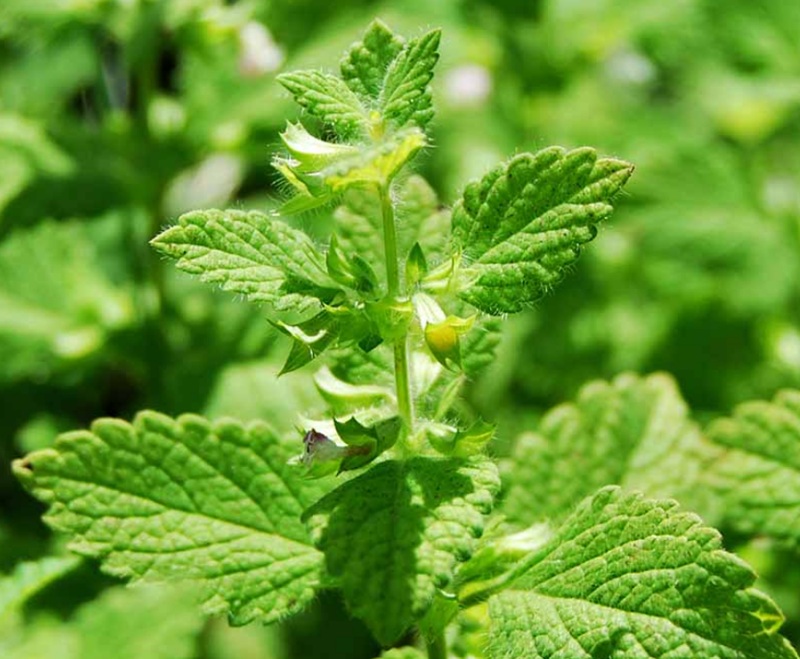
Why is lemon balm tincture sweet when the product is labeled sugar-free? The answer is usually vegetable glycerin, a naturally sweet ingredient used in many alcohol-free herbal extracts. Glycerin can create noticeable sweetness without the addition of ordinary sugars such as sucrose.
This explains a question some customers have about Lemon Balm Tincture. Its product listing identifies it as sugar-free, while its ingredient information and manufacturer responses confirm the use of vegetable-derived glycerin.
Secrets Of The Tribe identifies vegetable glycerin as the source of sweetness in its liquid herbal preparations. The distinction matters because sweetness, sugar content, and calorie content are three different characteristics.
This article explains what glycerin is, how it differs from sugar, what sugar-free labeling means, and why the same liquid extract may taste pleasantly sweet to one person but too sweet to another.
Why Does Lemon Balm Tincture Taste Sweet Without Sugar?
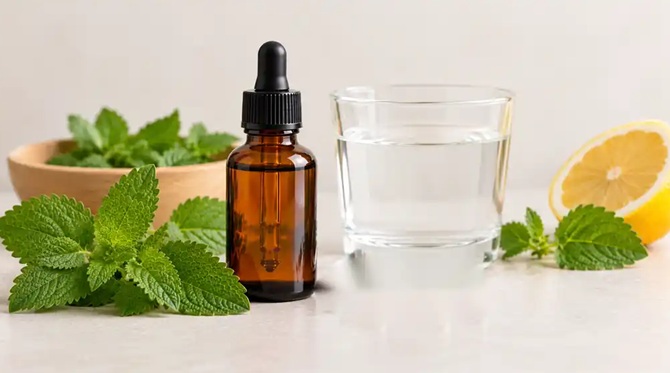
Lemon balm tincture can taste sweet because vegetable glycerin has a naturally sweet flavor, even when no sugar is added. Glycerin is commonly used as a liquid carrier in alcohol-free botanical extracts.
The sweetness comes from the chemical properties of glycerin itself. It does not require manufacturers to add table sugar, honey, or another conventional sugar ingredient.
Lemon balm also has its own mild herbal character, including a lemon-like aroma. The combination of this botanical flavor and the sweet extraction liquid creates the finished taste.
Importantly, a sweet taste does not establish how much sugar a product contains. That information comes from its composition and applicable labeling requirements.
Sweetness, Sugar, and Glycerin Compared
| Characteristic | Vegetable Glycerin | Table Sugar |
|---|---|---|
| Chemical identity | Glycerol | Sucrose |
| Ingredient category | Polyol or sugar alcohol | Disaccharide sugar |
| Taste | Naturally sweet | Sweet |
| Relative sweetness | Generally less sweet than sucrose | Reference for sweetness comparisons |
| Texture | Viscous liquid | Usually crystalline solid |
| Common product role | Solvent, carrier, sweetening ingredient | Sweetening ingredient |
| Contains calories | Yes | Yes |
| Classified as sugar? | No | Yes |
Glycerin and sucrose can both contribute sweetness, but they are not chemically identical. Their different classifications explain why a product may contain glycerin while carrying a sugar-free claim.
What Is Vegetable Glycerin?
Vegetable glycerin is glycerol obtained from plant-based materials, commonly vegetable oils. It is a clear, thick liquid with a naturally sweet taste.
Glycerin has several functions in food and supplement manufacturing. It can act as a solvent, carrier, moisture-retaining ingredient, and source of sweetness.
Where Vegetable Glycerin Comes From
Manufacturers can produce glycerin from different raw materials, including vegetable fats and oils.
Common vegetable sources include palm, coconut, and soybean oil. The original source depends on the manufacturing process and supplier.
For this particular product line, the manufacturer identifies its glycerin as palm-derived. A response to a customer’s ingredient question also confirms its vegetable origin.
The source of glycerin may matter to people who follow particular dietary preferences or need information about ingredient origins.
Why Glycerin Is Used in Liquid Herbal Extracts
Glycerin can serve as part of the extraction liquid used to prepare botanical products.
Alcohol-free preparations often use glycerin together with water. These preparations are commonly called glycerites.
Unlike ethanol, glycerin has a naturally sweet taste and a thicker texture. This difference changes how the finished extract feels and tastes.
However, glycerin and ethanol have different solvent properties. An alcohol-free glycerite should not automatically be considered chemically equivalent to an ethanol-based tincture.
Does Glycerin Contain Alcohol?
Glycerin belongs to a chemical category called sugar alcohols, or polyols. The word alcohol in this classification does not mean that glycerin is the same substance as ethanol.
Glycerin is not intoxicating beverage alcohol. Its chemical structure and common uses differ from those of ethanol.
This distinction explains why vegetable glycerin can be used in products marketed as alcohol-free.
Does Sugar-Free Mean a Product Contains Absolutely No Sugar?
Not necessarily. In the United States, a sugar-free claim generally requires less than 0.5 grams of sugars per reference amount customarily consumed and per labeled serving, along with other regulatory conditions.
This means sugar-free is a regulated labeling term rather than a promise that laboratory testing would always detect exactly zero sugar molecules.
The rules also address ingredients that are sugars or commonly understood to contain sugars.
How Sugar-Free Labeling Works
The U.S. Food and Drug Administration establishes requirements for nutrient content claims, including sugar-free claims.
Dietary supplements can use such claims when they satisfy the applicable criteria.
However, a company’s sugar-free statement does not independently establish its precise measured sugar content. That requires appropriate product-specific information.
Sugar-Free vs No Added Sugar
These terms have different meanings.
Sugar-free describes a product that meets applicable requirements concerning its sugar content.
No added sugar describes whether sugars or certain sugar-containing ingredients were added during processing, subject to specific labeling conditions.
A product can have no added sugar while still containing naturally occurring sugars. The two claims are therefore not interchangeable.
Does Sugar-Free Mean Unsweetened?
No. Sugar-free products may contain ingredients that contribute sweetness without being classified as ordinary sugars.
Vegetable glycerin is one example. It can produce a noticeably sweet taste even when a product does not contain added sucrose.
The term unsweetened also should not be automatically inferred from a sugar-free claim.
Is Glycerin the Same as an Artificial Sweetener?
No. Glycerin is a polyol with several manufacturing functions, while artificial or high-intensity sweeteners are a different category of ingredients.
Common high-intensity sweeteners include sucralose and aspartame. Stevia-derived sweeteners are another category of sugar alternatives.
These ingredients are primarily associated with their sweetening properties. Glycerin can contribute sweetness while also serving as a solvent and providing texture.
Glycerin vs High-Intensity Sweeteners
High-intensity sweeteners typically provide much greater sweetness than sucrose in small quantities.
Glycerin is less sweet than sucrose by weight. It also contributes body and thickness to liquid formulations.
The two categories should not be confused simply because both can appear in sugar-free products.
Is Glycerin a Sugar Substitute?
Glycerin can function as an alternative to sugar in some food formulations, but its role depends on the product.
In a herbal glycerite, the ingredient may serve multiple purposes rather than functioning only as a sweetener.
The FDA recognizes glycerin as a substance used for several technical purposes, including as a solvent, humectant, texturizer, and nutritive sweetener.
Is Sugar-Free Lemon Balm Tincture Calorie-Free?
No calorie-free conclusion can be drawn from sugar-free labeling alone. Glycerin contains calories, so a glycerin-based liquid extract should not automatically be described as calorie-free.
According to the International Food Information Council, glycerin provides approximately 4.32 calories per gram.
That figure describes glycerin itself, not the calorie content of a specific serving of lemon balm tincture.
Calculating the calories in an individual product would require knowing the amount of glycerin and other energy-contributing ingredients in the serving.
The manufacturer’s sugar-free statement does not provide that information by itself.
Likewise, the presence of glycerin should not be used to make assumptions about blood glucose responses or dietary suitability for people with diabetes.
Anyone who requires precise nutritional information should consult the complete product label or request verified composition details from the manufacturer.
What Does Lemon Balm Contribute to the Flavor?
Lemon balm contributes the botanical portion of the flavor. Its leaves have a recognizable lemon-like fragrance, but the plant is not naturally equivalent to lemon juice or sugar.
The Botanical Identity of Lemon Balm
Lemon balm is Melissa officinalis, an aromatic perennial herb in the mint family, Lamiaceae.
Its textured leaves release citrus-like aromatic notes when crushed. The herb is commonly used in teas, culinary infusions, and flavored drinks.
Why Lemon Balm Smells Lemony
Volatile aromatic compounds contribute to lemon balm’s fragrance. These include substances associated with lemon-like scents in several botanical species.
The flavor can also include grassy, green, and slightly astringent characteristics.
Extraction, storage, and processing influence how much of the fresh plant’s aroma appears in the finished liquid.
Botanical Aroma vs Carrier Sweetness
Lemon balm’s lemon-like aroma and glycerin’s sweetness are two different sensory contributions.
The plant provides botanical character. The glycerin adds sweetness and influences mouthfeel.
Together, they can create a flavor that seems sweeter than someone might expect from an herbal supplement.
Why Do Some People Find Lemon Balm Drops Too Sweet?
Sweetness perception differs between individuals, and concentrated glycerin-based extracts can taste noticeably sweeter than diluted preparations.
A customer review on the Lemon Balm Tincture product page specifically describes the flavor as too sweet for the customer’s preference.
Other published reviews express satisfaction with the taste. These different experiences illustrate individual preference rather than establishing a defect in the product.
Factors affecting the tasting experience include the amount of liquid used for dilution, beverage temperature, additional flavors, and the individual’s sensitivity to sweetness.
The editorial position at Secrets Of The Tribe is that ingredient transparency should help consumers understand why a product tastes the way it does. A sugar-free label and a sweet sensory profile can coexist without describing the same characteristic.
How Can You Make Sweet Lemon Balm Drops Taste Milder?
Mixing the labeled serving with water can reduce the concentration of sweetness perceived in each sip. This approach changes the drinking experience without requiring a larger serving.
Use Plain Water
The product’s directions specify taking the tincture with water.
A glass of water can distribute the sweetness through a larger volume of liquid than tasting concentrated drops directly.
Choose Unsweetened Flavored Water
Unsweetened citrus-flavored water may provide a contrasting flavor alongside the glycerin’s sweetness.
The lemon-like botanical aroma can complement lemon or lime flavors.
Avoid Adding Extra Drops
Increasing the amount of extract to change the flavor also increases the amount of supplement consumed.
Follow the product’s suggested serving rather than adjusting the number of drops solely according to taste.
When reviewing a lemon balm liquid extract with plant-derived glycerin, consider whether its naturally sweet character fits your beverage preferences before making it part of a routine.
What Should You Check on a Sugar-Free Herbal Tincture Label?
Start with the ingredient list and product claims. The botanical species, extraction liquid, serving size, and nutritional information provide more useful context than taste alone.
Confirm whether the product contains vegetable glycerin, ethanol, water, or other ingredients. Different extraction bases can produce different flavors.
Next, review the Supplement Facts panel and serving instructions. A sugar-free claim should not be interpreted as evidence of zero calories or a specific metabolic effect.
For the listed Lemon Balm Tincture, the suggested use specifies one dropper, identified as 30 drops, one to three times daily with water. Follow the current bottle label because product information may change.
Checklist: Understanding Sweetness in Sugar-Free Herbal Drops
It is easier to evaluate an herbal extract when you separate the ingredient list from the flavor you experience. Use this checklist to understand what contributes to sweetness and what the product label actually communicates.
1. Read the Ingredient List
Look for glycerin, water, alcohol, and other ingredients. Identify the liquid base before making assumptions about taste.
2. Check the Sweetness Source
Determine whether the formulation contains naturally sweet carriers or added sugars. These are not always the same ingredients.
3. Understand Sugar-Free Labeling
Remember that sugar-free is a regulated statement about sugar content, not a description of flavor.
4. Review Nutritional Information
Do not assume that a sweetener alternative contains no calories. Check verified product information when calorie content matters.
5. Follow the Serving Directions
Use the amount specified on the product label. Diluting the extract does not change the recommended serving.
6. Consider Your Flavor Preferences
Decide whether a naturally sweet liquid format suits your routine or whether another supplement format would be more convenient.
FAQ
1. Why is lemon balm tincture sweet if it is sugar-free?
Vegetable glycerin can provide natural sweetness without added ordinary sugar. The product manufacturer identifies glycerin as the source of sweetness in its liquid extracts.
2. Does vegetable glycerin contain sugar?
Glycerin is chemically different from sucrose and is classified as a polyol rather than an ordinary sugar.
3. Is glycerin an artificial sweetener?
No. Glycerin is a polyol that can function as a sweetening ingredient, solvent, and texturizer.
4. Does sugar-free mean zero sugar?
Not necessarily. Under U.S. labeling rules, sugar-free generally requires less than 0.5 grams of sugars per reference amount and labeled serving, plus other conditions.
5. Is sugar-free lemon balm tincture calorie-free?
Not necessarily. Glycerin contains calories, and a sugar-free claim does not independently establish the calorie content of the finished product.
6. Is vegetable glycerin the same as ethanol?
No. Glycerin is chemically classified as a sugar alcohol but is not intoxicating ethanol.
7. Can lemon balm tincture be mixed with water?
Yes. The product directions specify use with water. Dilution may make the sweetness less concentrated.
8. Does a sweeter tincture mean a stronger extract?
No. Sweetness is not a reliable measure of botanical concentration, extraction quality, or supplement strength.
Glossary
Lemon Balm: Melissa officinalis, an aromatic perennial herb known for its lemon-scented leaves.
Vegetable Glycerin: Glycerol obtained from plant-derived materials and used in food and liquid botanical preparations.
Glycerol: The chemical name for glycerin, a naturally sweet polyol.
Polyol: A class of compounds also known as sugar alcohols, including glycerin.
Sucrose: The chemical name for ordinary table sugar.
Glycerite: A liquid botanical preparation made with glycerin, commonly combined with water.
Sugar-Free: A regulated nutrient content claim indicating that a product meets applicable limits and conditions for sugar content.
No Added Sugar: A distinct labeling claim concerning the addition of sugars or qualifying sugar-containing ingredients during manufacturing.
Extraction Base: The liquid system used to prepare a botanical extract, such as glycerin and water.
Conclusion
Lemon balm tincture can taste sweet despite its sugar-free labeling because vegetable glycerin has a naturally sweet flavor and is chemically different from ordinary sugar. Sweetness alone does not establish sugar content, calorie content, or botanical concentration, so the ingredient list and product directions provide the most useful information.
Sources Used
Lemon Balm Tincture sugar-free labeling, suggested use, customer taste feedback, and manufacturer glycerin explanation – secrets.shop / products/lemon-balm-tincture
Manufacturer explanation of vegetable glycerin, ingredient sourcing, and sweetness – secrets.shop / pages/faq
Glycerin classification, relative sweetness, calorie content, and food applications – ific.org / What Is Glycerin?
Glycerin identification and recognized technical functions in food – hfpappexternal.fda.gov / Substances Added to Food: Glycerin
Requirements for sugar-free claims on dietary supplements – fda.gov / Dietary Supplement Labeling Guide: Chapter VI. Claims
Regulatory conditions for sugar-free labeling – fda.gov / Guidance for Industry and FDA: Dear Manufacturer Letter Regarding Sugar Free Claims
Dietary supplement eligibility for sugar-free claims – fda.gov / Small Entity Compliance Guide: Nutrient Content Claims
Lemon balm botanical identity, leaf fragrance, and culinary characteristics – hort.extension.wisc.edu / Lemon Balm, Melissa officinalis


